March 2025

Revolutionizing Construction: The Intersection of Innovation, Sustainability, and Smart Technology

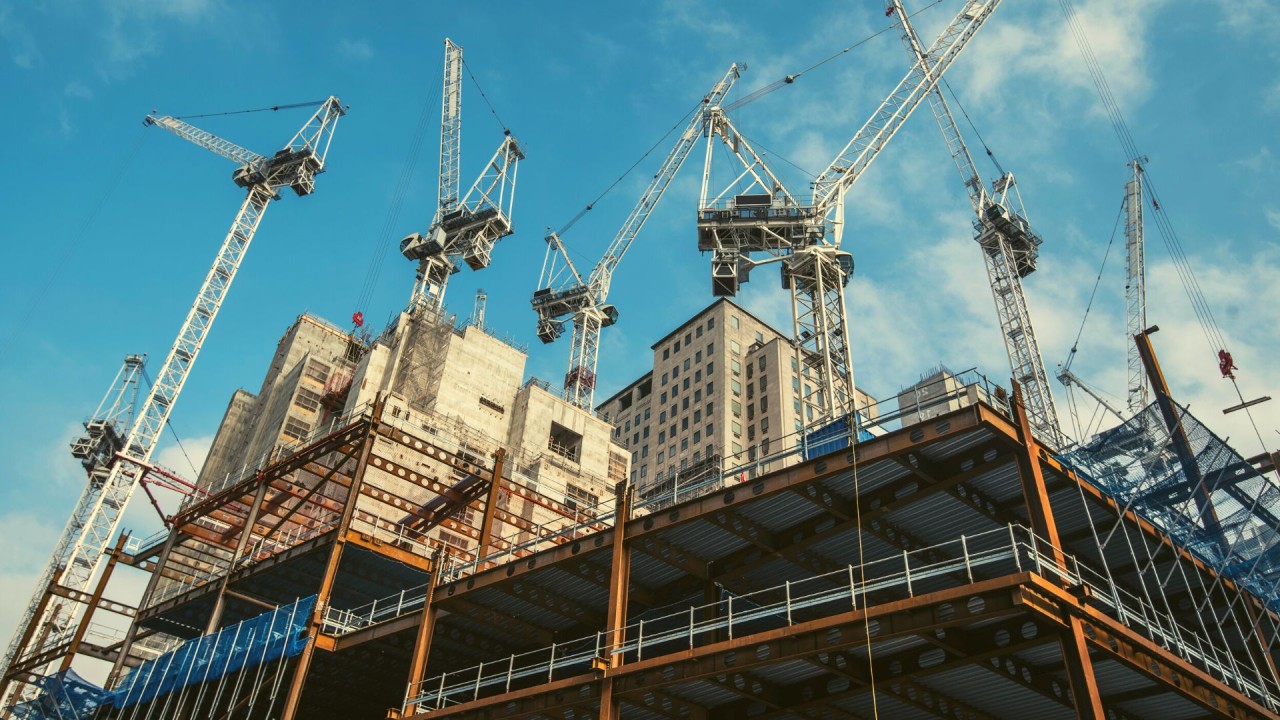
The construction industry, a cornerstone of human civilization for centuries, is experiencing a dramatic transformation. As cities grow, environmental concerns rise, and technological innovations continue to advance, the future of construction is evolving rapidly. Today’s construction projects are not only about erecting buildings; they are about creating smarter, more sustainable, and more resilient environments. This article explores the transformative trends in construction, from cutting-edge technology to sustainable practices, and how they are shaping the buildings of tomorrow.

The Evolution of Construction: From Tradition to Technology

Historically, construction has been a labor-intensive industry dominated by manual labor, traditional tools, and techniques passed down through generations. While the basic principles of construction remain unchanged, the introduction of advanced technologies is fundamentally altering how projects are designed, planned, and executed.

In the past few decades, the 清拆工程 industry has begun to embrace new technologies such as 3D printing, robotics, AI, and BIM (Building Information Modeling). These innovations are pushing the boundaries of what is possible, making construction more efficient, cost-effective, and sustainable. With new tools and methodologies available, construction is no longer just about building; it’s about transforming how we interact with our built environment.

Smart Construction: The Role of Emerging Technologies

The integration of smart technologies into construction is one of the most exciting developments in the industry. These technologies enhance every aspect of the construction process, from planning and design to operations and maintenance. Some key innovations include:

1. Building Information Modeling (BIM)

Building Information Modeling (BIM) has become a game-changer in the construction industry. BIM is a digital representation of a building’s physical and functional characteristics, allowing architects, engineers, contractors, and owners to collaborate in real time. This 3D model not only helps in visualizing the project before construction begins but also enables teams to detect design flaws, plan logistics more efficiently, and ensure that the final structure meets all specifications.

BIM improves efficiency by providing a comprehensive view of a building’s lifecycle. From design and construction to facility management, BIM is used to optimize performance and reduce costs. As the construction industry embraces BIM, the time and money spent on rework and errors is dramatically reduced.

2. Artificial Intelligence and Machine Learning

AI and machine learning are significantly impacting how construction projects are managed. By analyzing vast amounts of data, AI can predict potential issues such as project delays, safety risks, and cost overruns before they occur. Machine learning algorithms can optimize scheduling, workforce allocation, and resource management, allowing construction teams to make real-time adjustments for maximum efficiency.

Furthermore, AI-powered tools are being used for design optimization. These tools can generate multiple design iterations, helping architects and engineers find the most cost-effective, efficient, and environmentally-friendly designs. With AI handling many routine tasks, construction professionals can focus on the creative and problem-solving aspects of their work.

3. 3D Printing

3D printing, or additive manufacturing, is one of the most revolutionary technologies in construction today. The ability to “print” buildings, or parts of buildings, layer by layer offers unprecedented possibilities for reducing material waste, improving precision, and lowering construction costs.

3D printing is particularly useful in creating affordable housing, as it allows for rapid construction using locally sourced materials. This technique is also being applied to producing complex architectural elements, such as intricate facades or bespoke components, that would be difficult to create using traditional construction methods.

Moreover, 3D printing is increasingly being explored for its potential to help address the global housing crisis, with several companies already using the technology to build homes quickly and affordably in underserved regions.

4. Drones

Drones are becoming an invaluable tool in modern construction projects. Drones equipped with high-resolution cameras and sensors can survey large construction sites quickly and accurately, gathering data on progress, quality, and safety. They provide real-time aerial views of the site, enabling project managers to monitor work, identify issues, and make decisions without being physically present.

Drones can also be used to create 3D maps and models of construction sites, assisting with site planning, measurements, and material tracking. Additionally, they can reduce the need for manual inspections, which are often time-consuming and dangerous.

5. Robotics and Automation

Robots are now being employed for several tasks on construction sites, from bricklaying to welding and even demolition. These autonomous systems can work faster and more accurately than human labor, which increases productivity and reduces errors. Construction robots are particularly valuable in dangerous or physically demanding tasks, improving site safety by taking on high-risk duties such as heavy lifting and working at great heights.

Robotic systems are also helping with quality control. Automated machines are capable of conducting inspections and ensuring that every component is installed correctly, minimizing the likelihood of errors that could lead to costly repairs later on.

Sustainability in Construction: Building with the Future in Mind

As climate change continues to be a pressing global concern, the construction industry has a crucial role to play in reducing its environmental impact. The industry is responsible for a significant portion of global greenhouse gas emissions, primarily due to energy use in buildings and the materials used in construction. However, advancements in green building technologies and sustainable practices are helping the industry make significant strides toward sustainability.

1. Sustainable Materials

The push for sustainability has led to the development of innovative building materials that are more environmentally friendly. Some examples include:

  • Recycled materials: Construction companies are increasingly using recycled materials, such as reclaimed wood, recycled steel, and repurposed concrete, to reduce waste and lower the demand for raw materials.
  • Low-carbon concrete: Traditional concrete production is a significant source of carbon emissions, but new low-carbon concrete mixes, made from alternative materials like fly ash or slag, can significantly reduce the carbon footprint of construction projects.
  • Green insulation: Eco-friendly insulation materials such as cellulose, sheep’s wool, and recycled denim are becoming more popular due to their lower environmental impact compared to traditional foam-based insulation.

By using sustainable materials, construction projects can reduce their carbon footprint while also supporting circular economy principles, where materials are reused, recycled, or repurposed instead of being discarded.

2. Energy-Efficient Building Designs

Energy efficiency is a cornerstone of modern sustainable construction. Buildings account for a large percentage of global energy consumption, but this can be mitigated through efficient design. High-performance insulation, energy-efficient windows, and advanced HVAC systems help minimize energy use. Additionally, the integration of smart technologies allows buildings to optimize energy consumption based on real-time data.

Buildings that are designed with energy efficiency in mind often reduce operational costs over time, making them attractive investments. Smart buildings can learn and adapt to the habits of their occupants, automatically adjusting lighting, heating, and cooling to ensure comfort while minimizing energy waste.

3. Renewable Energy Integration

The adoption of renewable energy systems in buildings is increasing. Solar panels, wind turbines, and geothermal energy systems are being integrated into new construction projects to reduce dependence on nonrenewable energy sources. These systems can generate electricity, heat, and water for buildings, cutting down on utility costs and reducing environmental impact.

Furthermore, the combination of energy-efficient designs with renewable energy systems allows for the creation of “net-zero” buildings, which generate as much energy as they consume. As governments and businesses strive to meet sustainability goals, the demand for these energy-positive buildings will continue to rise.

The Future of Construction: A Resilient, Inclusive, and Technologically Advanced Industry

The future of construction is not just about technology and efficiency; it is also about building for a more resilient and inclusive world. Climate change, population growth, and urbanization are just a few of the challenges that the industry will face in the coming years. However, the adoption of innovative technologies and sustainable practices provides a pathway for overcoming these challenges and creating buildings that are not only functional but also sustainable, adaptable, and resilient.

As we move forward, the construction industry will need to continue embracing technological innovations, prioritize environmental sustainability, and adapt to the changing needs of society. The buildings of tomorrow will be smarter, more efficient, and more sustainable—driving positive change for both people and the planet.

Checking Out The Actual Fascinating Planet Regarding Casino Gambling

The gambling casino is more than just a target to gamble; it’s a microcosm of bold lights, high stake, elegant standard atmosphere, and unceasing amusement. It has consistently remained as a captivating subject for those who love hazard and high risks. From the shining slot machines to the social kinetics of stove poker, every prospect of a casino plays a substantial role in shaping the overall play go through.

When you step into a casino, you step into a earthly concern that is unconnected from the commonplace. The first sport that strikes you is the standard pressure. Casinos are studied in such a way that from the bit you step in, you are drawn into a earthly concern of entrancing excitement. The like an expert studied interiors with complex inside information are irresistibly efficacious. High ceilings, luxuriant carpets, and shower interior decoration serve to make an environment of decadent self-indulgence.

Another necessity of a joker123 is the variety show of games. Traditional games like poker, blackjack, and toothed wheel have always been pop. However, casinos are always innovating and introducing new games to keep the undergo stimulating and fresh. This makes casinos a point direct of novel experiences and energising energy, drawing people back time and time again.

It is not just the touchable aspects that make casinos exciting; the scientific discipline play also deserves remark. Casinos are arenas for proving one’s bravado and tactical prowess. The tense moments at a poker shelve, where bluffing is as considerable as a good hand, provide a thrilling psychological battle. The high stake that are mired add an extra level of excitement to the games.

Technological advancements have resulted in casinos transitioning online. This has opened up the joy of gambling casino gaming to a wider audience. The convenience of online casinos has seen a transfer in populate’s sensing of gambling, making it more undisputed and pop. Despite this, natural science casinos still hold a unique charm for gambling enthusiasts.

Netting everything, a gambling casino is a cocktail of tickle, science, and luck. It combines the human preference for risk-taking with the slue please of chance. Above all else, for many, it’s about the pursuance of fun, attended by a- of epinephrine, and laureled with the potentiality resplendence of triumph. Whether you’re an amateur or an , the world of casinos has something for everybody.

In conclusion, casinos offer a unusual blend of excitement, luxury, scheme, and chance. They supply an lam from the pattern and call an filled with thrills and the potency for big wins. Whether you visit a gambling casino physically or online, one affair is certain; you will walk away with some memorable memories.

Studying The Energetic Along With Thrilling Arena Of Casino Houses

The dynamic earthly concern of casinos is not merely restrained to the realm of gaming and sporting but extends to offering an experience, to many discriminating tastes. From the waver of the neon signs to the chiming of the slot machines, the gambling casino standard pressure delivers a unique thrill and exhilaration that continues to allure enthusiasts from across the Earth.

Casinos are not simply just about gaming. Rather, they are multi-faceted establishments, offer a variety show of entertainment options. Many casinos sport lavish restaurants, shopping spaces, spendthrift shows, and performances, qualification them a nonclassical selection for entertainment beyond the gaming tables. These places pulsate with life, lit by the of risk-takers and the fascination of spectators.

The spine of casinos lies in its variety of games- each brimfull with chance and vibrate. Games such as Poker, Blackjack, Roulette, and Baccarat have become illustrious, attracting a big come of players. The slot machines, with their spinning reels and flash lights, add to the overall vibrancy and carry on to remain one of the most popular choices for a promptly take a chanc.

The gambling joker123 world has adeptly evolved, embracing whole number innovations over the last ten. Today, online casinos are challenging the traditional brick-and-mortar establishments. Offering and a wide-screen game survival, these online platforms are providing an trusty gaming undergo right at the console of players’ homes. They’ve tested to not only extend their reach but have also allowed casinos to become more available to a wider hearing.

Yet, the sumptuousness and allure of orthodox casinos continue odd. The yard architecture, glitzy interiors, the clattery of chips, and the sound of undefeated cheers around the tables provide a sensory undergo that an online weapons platform could hardly retroflex. Casinos such as Monaco’s Casino de Monte-Carlo or Nevada’s Bellagio are a will to the gaudiness and nobility of the casino earthly concern, continually attracting hordes of wide-eyed tourists and high-stakes gamblers.

In ending, the vivacious worldly concern of casinos, both online and offline, uphold to fly high and evolve. By offer a sweeping spectrum of entertainment and play options, these establishments formalise the apothegm that the put up always wins- not only at the tables but also in providing an unmated and enchanting see.

Clinics: Pillars of Community Health and Wellness

In an increasingly complex healthcare environment, clinics stand out as one of the most essential and versatile elements of the healthcare system. Whether providing primary care, preventive services, or specialized treatments, 屯門兒科 s act as the first point of contact for millions of people seeking medical care. They are integral not only in diagnosing and treating illnesses but also in promoting overall well-being and offering cost-effective care for diverse populations.

From small rural health centers to bustling urban medical hubs, clinics cater to individuals at various stages of health, offering crucial services that prevent diseases and manage chronic conditions. This article explores the indispensable role of clinics, their significance in modern healthcare, and the challenges they face in meeting the ever-growing healthcare needs of communities worldwide.

What Is a Clinic? A Multi-Faceted Healthcare Facility

A clinic is generally defined as a healthcare facility that provides outpatient services—meaning that patients visit for medical consultations, diagnosis, treatment, and follow-up care but do not require admission for an overnight stay. While clinics vary in size, scope, and specialty, they all share the common goal of offering accessible, affordable, and efficient care to those who need it.

Clinics can be broadly categorized into several types:

  • Primary care clinics, which focus on general health maintenance, disease prevention, and early diagnosis.
  • Specialty clinics, which provide care for specific health conditions or populations, such as cardiology, pediatrics, or geriatrics.
  • Urgent care centers and walk-in clinics, which cater to non-emergency but urgent healthcare needs.
  • Community health clinics, which often serve low-income or underserved populations, offering services on a sliding fee scale.

Regardless of the specific type, clinics are an essential part of the healthcare system, offering services that are not only cost-effective but also focused on early intervention and preventative care.

The Role of Clinics in Promoting Accessible Healthcare

1. Improved Access to Care for All

Clinics are often the most accessible form of healthcare available, especially in underserved communities or rural areas. In contrast to large hospitals, which may require long wait times or extensive travel, clinics are usually more localized, making it easier for people to receive timely care. Many communities benefit from having a clinic nearby, offering essential services without the barriers that can exist in more centralized medical facilities.

Clinics are typically open for extended hours, including evenings and weekends, which makes them an excellent choice for individuals who may not be able to take time off work to visit a doctor during normal business hours. This flexibility is especially important for those with non-life-threatening conditions, as it allows them to seek care without the hassle of navigating emergency room crowds or waiting weeks for an appointment with a specialist.

2. Cost-Effective and Affordable Services

Another critical advantage of clinics is their cost-effectiveness. Operating with lower overhead compared to large hospitals, clinics can offer healthcare services at a fraction of the price. For patients without health insurance or those with high-deductible plans, clinics often provide affordable solutions for basic healthcare needs. Many clinics work on a sliding fee scale, adjusting the cost of services according to the patient’s ability to pay. This model ensures that healthcare is accessible to people from all walks of life.

Clinics may also be covered by government programs such as Medicaid or Medicare, further lowering the financial burden on patients. For those in areas where healthcare services are scarce or expensive, community-based clinics often provide a critical safety net for medical care.

3. Reducing Emergency Room Overload

Emergency departments in hospitals are often overwhelmed with patients seeking care for non-emergency issues. This overuse of hospital emergency rooms (ERs) can lead to long wait times, increased healthcare costs, and strain on hospital resources. Clinics help reduce this burden by providing a viable alternative for people who need medical attention for conditions that are not life-threatening but still require prompt treatment.

For instance, conditions such as fevers, colds, mild infections, and minor injuries can often be treated effectively in a clinic setting, allowing emergency departments to focus on more critical cases like heart attacks, strokes, or trauma. This also helps lower overall healthcare costs, as visits to clinics are typically much less expensive than trips to the ER.

The Essential Role of Clinics in Preventive Care

1. Routine Checkups and Early Detection

Clinics play a pivotal role in preventive health by providing routine checkups, screenings, and health education. Regular visits to a clinic for basic health assessments—such as blood pressure checks, cholesterol screenings, and blood sugar tests—can help identify risk factors for serious conditions like heart disease, diabetes, and stroke early on. Early detection of potential health issues is crucial for preventing the progression of chronic diseases and can lead to better health outcomes overall.

For example, a routine visit to the clinic may uncover hypertension or pre-diabetes, allowing the provider to recommend lifestyle changes or medications that can prevent the development of more serious conditions.

2. Vaccinations and Immunizations

Clinics are also key providers of vaccinations, which are essential for preventing infectious diseases. Flu shots, childhood vaccinations, and immunizations for conditions like hepatitis and pneumonia are often administered in clinic settings. Vaccination programs, especially in communities with limited access to healthcare, are instrumental in preventing outbreaks of contagious diseases and protecting public health.

During pandemics or global health crises, such as the COVID-19 pandemic, clinics have been on the front lines, offering widespread vaccination efforts to ensure community-wide immunity. Their role in these efforts cannot be overstated.

3. Health Education and Lifestyle Counseling

Health promotion and education are central to the work of many clinics. Healthcare providers within clinics often take time to offer health education on a variety of topics, including nutrition, physical activity, smoking cessation, and mental health. Many clinics also provide lifestyle counseling and support services, such as advice on weight management, stress reduction, and alcohol and drug abuse prevention.

By empowering patients with knowledge and tools for healthier living, clinics contribute to long-term improvements in individual and community health, potentially reducing the incidence of preventable diseases and lowering overall healthcare costs.

Managing Chronic Diseases at the Clinic Level

1. Long-Term Care for Chronic Conditions

Many clinics offer specialized services for individuals living with chronic conditions such as diabetes, asthma, arthritis, and chronic obstructive pulmonary disease (COPD). These clinics help patients manage their conditions through medication management, health monitoring, and lifestyle interventions.

For instance, a clinic that specializes in diabetes management may provide regular blood glucose monitoring, nutritional counseling, and support with physical activity programs to help patients maintain stable blood sugar levels. Similarly, cardiac clinics work with patients to manage heart disease, adjusting medications and lifestyle recommendations as needed.

The ability to manage chronic diseases in a clinic setting helps prevent hospitalizations and reduces the burden on more specialized, expensive healthcare services.

2. Access to Specialist Care

Some clinics offer specialized services for patients with specific health concerns. Mental health clinics, for example, provide therapy and counseling for individuals experiencing anxiety, depression, and other psychological disorders. Pain management clinics focus on providing treatments for those suffering from chronic pain, while pediatric clinics cater to the health needs of children.

This access to specialized care is crucial, as it ensures that patients can receive targeted treatment and support without the need for a referral to larger hospitals or specialized centers. Clinics are often more responsive and accessible, which allows patients to receive timely care for their specific health needs.

Overcoming the Challenges Faced by Clinics

1. Staffing Shortages and Burnout

One of the primary challenges facing clinics today is the shortage of healthcare professionals. Clinics, particularly in rural or underserved areas, often struggle to recruit and retain physicians, nurses, and other healthcare workers. This shortage can lead to longer wait times, overburdened staff, and potentially lower quality of care.

Additionally, healthcare workers in clinics are often at risk of burnout due to high patient volumes and the emotional demands of the work. Addressing these staffing challenges requires investment in training, recruitment, and providing adequate support to healthcare professionals.

2. Financial Sustainability

Clinics, especially smaller community-based ones, face financial challenges due to rising operational costs and limited revenue. Many clinics rely on government funding, grants, or private donations to maintain operations. As healthcare needs increase, so does the financial pressure on these clinics to expand services and meet patient demand. Without consistent funding, clinics may be forced to reduce services or close their doors, leaving communities without access to care.

3. Integration of Technology

As healthcare continues to evolve, technological integration becomes a key factor in improving the efficiency and quality of clinic services. Clinics must adopt tools like electronic health records (EHR), telemedicine, and patient portals to streamline administrative tasks, improve patient communication, and enhance overall care delivery. However, smaller clinics may struggle with the cost and training required to implement these technologies effectively.

The Future of Clinics: Innovating Care Delivery

The future of clinics is increasingly intertwined with technological innovations and a shift toward more patient-centered care. Telemedicine and mobile health apps are transforming how clinics interact with patients, allowing for virtual consultations and remote monitoring of chronic conditions. Clinics are also adopting team-based care models, where healthcare providers work collaboratively to address all aspects of a patient's health.

In addition, the rise of community health initiatives and mobile clinics is expanding access to care in remote and underserved areas. The ability to bring care directly to patients in their communities will be essential in bridging the gap between health disparities and providing equitable care for all.

Conclusion

Clinics are essential to the functioning of modern healthcare systems, offering accessible, affordable, and preventive care to diverse populations. Whether through routine health screenings, chronic disease management, or specialized services, clinics help improve health outcomes and reduce the overall burden on hospitals. Despite facing challenges such as staffing shortages and financial pressures, clinics remain a vital component of the healthcare landscape. By embracing innovation and continuing to focus on patient-centered care, clinics will continue to thrive and adapt to meet the evolving needs of communities worldwide.

The Best Way Can A Person Proficiently Cope With Darkish Background Scenes Regarding Developing Ones Website?

Not at all net sites look unrealistic on a dark downpla. Having said that, lots of web sites opt for it in say to better the visual bear upon of their net sites and also mainly because dark backgrounds are in vogue these days. If you wish to put up your web-site on a dark-colored weapons platform, you have to preserve in thoughts several things before asking your intriguer to do so. We should under no pretermit that esthetics and effectiveness go hand in hand in the web title and improvement byplay enterprise. Ask yourselves the following inquiries antecedent to deciding on a dark subject for your web-site: bull; Will the background suit your services trade? bull; Will the be clear? bull; Will your customers feel intrigued by the look of your web-site? For any web page, it is extremely substantial to match the subject of the site with the services provided. Like, for illustrate if you ply dark play down for a Jeweler web page, it will look quite attractive and eye-catching to your audience but if you offer the demand same for a food market retail merchant, it could potentially not perform so in effect in producing the preferable impact. Therefore you must be jolly timid though choosing an acceptable subject for your web site and think a lot just before placing on a dark one. An additional shop state of affairs faced by sites having a dark downpla is readability. Maximum users find white text on a dark play down really eye-straining and unreadable. You should be able to deliver the proper sort of bear on to make the stuff not only in sight but also accurately clear. Therefore, it becomes a risk to opt for dark background themes for all cyberspace websites. You really should be cautious decent to deliver effective web title solutions for your patronage to love maximum revenue advantages. A little predilection anywhere on the web-site can establish a lot of mix-up and whirl from the hearing. Even though it is vital for your customers to have an eye-catching search site, it is equally indispensable for the site to be powerful comfortable to lure a lot more and extra guests. Only then can your client be assured of your services. What can you do to figure out such challenges? All difficulties have winning options, if only you can incur them. Dark backgrounds are pretty in these days and you can 39;t disregard any veer which holds a Charles Frederick Worth for net plan and title and melioration solutions. Go via the following points to know how you can manage dark net styles without poignant your business: bull; White spaces: When it comes to dark background cyberspace sites, you can perpetually optimise the white spaces to prepare a preferred effectuate. Adjust the white spaces appropriately to heighten legibility apart from maturation the aesthetic Charles Frederick Worth of the net site. Provide in the right places so as to allow your readers to take pleasure in maximum legibility. Not only just that, but also attempt to integrate paragraphs and whiten spaces in involving textual to reduce the monotony of extended and dogging text. bull; Font Size: When you are designing on a dark play down, you ought to be material regarding the size and color of fonts. Applying get off-colored fonts is not the only way to solve the take exception of readability. You really should also correct the size and elements to ameliorate the overall look of the web site. bull; Contrast: Contrast plays an requisite go for all types of cyberspace sites and dark themes are no exception. In fact it plays a big part for sites with dark backgrounds. Each and every element should be contrasted adequately in say to meliorate readability. There should be in spaces, sizes and of course, colours, to produce utmost effect. Designers are originative populate now and creative thinking is a solution of passion and interest. Hence, if any informed designer decides on dark play down for a specific web site, there is no need to have to forestall it. What you can do is adhere to the above described guidelines to warrant the potency of your web site. It that is not decent, you can also inform your web title and melioration team to ply a style switcher for the advantages of the customers. onion links deep web.