
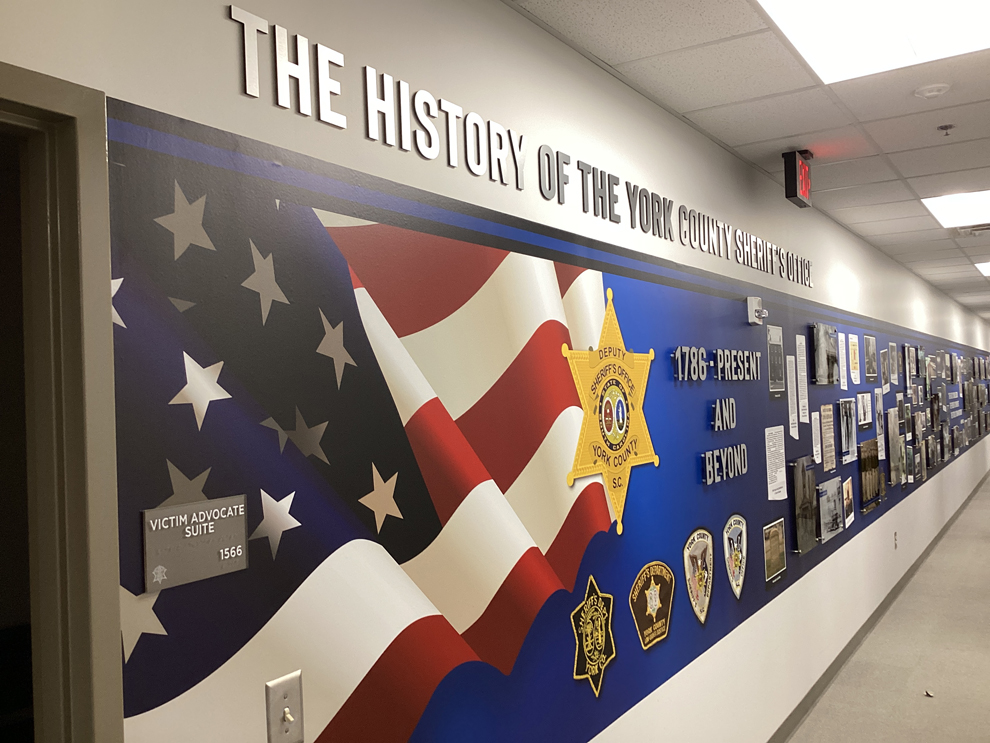
In today’s world, visual communication plays a powerful role in how people absorb information and experience spaces. Whether in cultural institutions, offices, or branded workplaces, the way information is presented directly impacts how it is received. One of the most compelling tools for achieving this goal is the museum wall display. In Washington, DC, a city known for its rich heritage and cultural identity, Museum Wall Displays Washington DC not only elevate visitor engagement but also serve as a branding opportunity for workplaces, offices, and professional interiors.
This blog explores how museum wall displays enhance exhibits, enrich storytelling, and extend their value into modern offices and branded environments.
The Role of Museum Wall Displays in Modern Exhibits
Museum wall displays go beyond simply placing artifacts on a wall. They are carefully designed systems of visuals, graphics, text, and interactive elements that transform exhibits into immersive experiences. In Washington, DC—home to world-class museums and institutions—these displays are crafted to educate, inspire, and resonate with diverse audiences.
Curators use wall displays to:
-
Highlight historical narratives through timelines and graphic panels.
-
Provide context for artifacts with interpretive signage.
-
Create visual focal points that guide visitors through a journey.
-
Incorporate digital or interactive technology for a multi-sensory experience.
The result is more than an exhibit; it’s a cohesive narrative that deepens understanding and leaves a lasting impression.
Storytelling Through Visual Branding
The power of storytelling is at the heart of every effective exhibit. Wall displays act as the visual narrator, stitching together artifacts, photographs, and text into a unified story. In Museum Wall Displays Washington DC, designers frequently combine large-scale imagery, custom typography, and layered graphics to reinforce the emotional impact of each exhibit.
This approach can also be adapted to office branding. Companies seeking to inspire employees and visitors often replicate museum-style wall displays in their lobbies, conference rooms, and open areas. A workplace branded with custom graphics, timelines, and heritage displays reflects a company’s values, achievements, and culture in the same way a museum exhibit reflects history.
Enhancing the Visitor Experience
Museum displays are built with the audience in mind. Whether it’s a visitor exploring a historical gallery or an employee walking into a workplace lobby, the goal is the same: to captivate and educate.
Key benefits of museum wall displays include:
Clarity and Focus: Displays break down complex topics into digestible visuals.
Engagement: Interactive or graphic-rich displays keep viewers interested longer.
Accessibility: Wall graphics can be designed to meet ADA standards, ensuring inclusivity.
Brand Perception: In office interiors, they demonstrate professionalism and reinforce identity.
For workplaces, incorporating museum-style displays offers the opportunity to transform blank walls into vibrant storytelling tools that communicate brand heritage, milestones, or vision statements.
The Aesthetic Value of Wall Displays
Aesthetic appeal is just as important as the information presented. Museum wall displays are often designed with a blend of creativity and precision, ensuring they complement the architectural space. Large wall murals, dimensional lettering, acrylic panels, or fabric graphics provide texture and depth.
For offices and branded workplaces, adopting this design approach results in interiors that feel polished and inspiring. Instead of relying solely on traditional wall art, companies can integrate branded storytelling into their décor—creating workspaces that are as engaging as museum galleries.
Technology and Interactivity in Modern Displays
The digital era has redefined how museums present their exhibits. Interactive screens, QR codes, and augmented reality bring static displays to life. In Museum Wall Displays Washington DC, institutions increasingly blend traditional design with digital innovation to cater to modern audiences.
Similarly, offices can leverage this model to create branded experiences. For example, interactive lobby displays can showcase a company’s history, employee highlights, or social impact initiatives, encouraging visitors to engage with the brand on a deeper level.
Adaptability Across Environments
One of the greatest strengths of museum wall displays is their adaptability. While they are synonymous with cultural institutions, their principles apply seamlessly to workplaces, universities, hotels, and corporate environments.
In museums: They provide historical and cultural context.
In offices: They reinforce branding and organizational identity.
In lobbies: They create welcoming and informative environments.
In educational spaces: They communicate key information visually.
By bridging functionality and design, museum wall displays become a universal solution for environments where communication and branding intersect.
Professional Fabrication and Installation
The success of any wall display lies in its execution. Professional fabrication ensures the materials are durable, visually striking, and aligned with the intended design. Installation expertise guarantees that every element is properly mounted, ADA-compliant, and positioned for maximum visibility.
This is why organizations in Washington, DC, often turn to experienced sign companies such as Heritage Signs & Displays for producing and installing museum-style exhibits. Their knowledge of both design and technical requirements ensures displays meet the highest standards while delivering powerful branding experiences.
Branding Benefits for Offices and Workplaces
While museums rely on wall displays to preserve and communicate history, offices can use the same tools to brand their workplaces. This practice is becoming increasingly popular as companies recognize the value of visual communication.
Some branding applications include:
Corporate Timelines: Highlighting milestones and achievements.
Mission and Vision Displays: Reinforcing organizational values.
Employee Recognition Walls: Showcasing accomplishments and culture.
Product and Service Graphics: Educating visitors about offerings.
These applications ensure that museum-style wall displays extend beyond exhibitions, transforming workspaces into visually engaging environments.
A Sustainable and Long-Lasting Investment
Modern museum wall displays are built with sustainable materials and designed for longevity. For workplaces, this translates into an investment that not only enhances aesthetics but also endures daily wear and tear. Options such as acrylic panels, fabric graphics, or vinyl wall wraps offer durability while remaining adaptable to design changes over time.
Examples of Museum-Style Displays in Offices
To illustrate their adaptability, here are some practical examples of museum-inspired displays in workplace settings:
Company History Walls – Similar to museum timelines, these displays chart a company’s journey, from founding to present day.
Inspirational Graphics – Murals or large-scale graphics that echo the style of cultural displays.
Donor or Partner Recognition Walls – Adapted from museum acknowledgment displays, these highlight relationships and partnerships.
Interactive Displays – Digital installations that mirror museum technology.
Each of these creates an experience that resonates with employees and visitors, building loyalty and reinforcing brand identity.
Partnering with Professionals
Creating impactful wall displays requires expertise in design, printing, and installation. Organizations benefit greatly from partnering with a professional signage company. Heritage Signs & Displays, for example, has built a reputation for delivering museum-quality displays that are equally effective in cultural and corporate environments.
For businesses in Washington, DC, professional guidance ensures displays are not only visually compelling but also strategically aligned with branding and communication goals. Additionally, for companies seeking signage solutions for workplace branding, More Information is available through a trusted local provider. These resources help organizations get started on creating transformative spaces that merge culture, branding, and design.
Conclusion
Museum wall displays have long been a cornerstone of cultural communication, transforming collections into experiences that resonate with audiences. In Washington, DC, their role extends beyond museums into offices and branded workplaces, where they serve as powerful storytelling and branding tools.
By enhancing exhibits with clarity, visual appeal, and interactivity, Museum Wall Displays Washington DC continue to enrich how information is shared. When adapted to office environments, they provide organizations with the means to communicate their values, celebrate their achievements, and inspire their communities.
With professional expertise from companies like Heritage Signs & Displays, businesses and institutions alike can harness the timeless effectiveness those interested can Click Here to explore museum exhibit signage solutions designed to captivate audiences.
