Millermarker

Funerals: A Ritual of Grief, Healing, and Celebration of Life

Death is an inevitable part of life, yet it often leaves us grappling with intense emotions of sadness, confusion, and loss. In the face of such a profound experience, funerals provide an essential space to process grief, honor the deceased, and offer comfort to those left behind. These ceremonies, though somber in nature, are deeply meaningful rituals that offer closure, a sense of community, and an opportunity for reflection. In this article, we explore the many roles funerals play in the grieving process, how they help us celebrate the lives of those who have passed, and how these rituals have evolved to meet the needs of modern society.

The Role of Funerals in the Grieving Process

Grief is often unpredictable and overwhelming, but funerals provide a structured environment where mourners can begin the process of coming to terms with their loss. Far more than a traditional ceremony, a funeral gives people the opportunity to express their emotions in a supportive setting, surrounded by family, friends, and even strangers who share in their sorrow.

  1. A Safe Space for Mourning: Grief can be isolating, and many mourners feel uncertain about how to express their sadness or what emotions are acceptable. Funerals create a dedicated space where it is understood that grief is both expected and acceptable. The rituals involved, such as eulogies, prayers, and moments of silence, allow individuals to acknowledge the depth of their feelings without fear of judgment. This helps validate the mourning process, which is crucial for emotional healing.

  2. Rituals that Provide Meaning: Across cultures and religions, funeral rituals provide mourners with a framework for making sense of death. These traditions—whether it's a religious service, a wake, or a memorial gathering—serve to guide mourners through the emotional and psychological process of letting go. In some cultures, the act of preparing the body for burial or cremation can be part of a healing ritual, while in others, the sharing of stories and memories helps to reinforce the bonds between the deceased and their loved ones.

  3. A Shared Experience: Funerals bring people together in a way that few other events do. Whether it’s a family reunion, a religious gathering, or a community event, funerals allow mourners to share in their grief and find solace in each other. The physical presence of others who care and the collective support offered by friends and family can provide a comforting sense of solidarity. In these moments, mourners are reminded they are not alone in their sorrow.

Funerals as a Celebration of Life

While funerals are undeniably about mourning and loss, they are also an opportunity to celebrate the life of the deceased. These ceremonies give the living a chance to honor their loved ones and reflect on their unique contributions to the world, no matter how big or small.

  1. Commemorating Achievements and Impact: A funeral is a moment to remember the positive impacts a person had on others and the world. Eulogies often highlight the individual’s qualities, accomplishments, and contributions, offering a chance for family and friends to celebrate the life that was lived. By focusing on these aspects, funerals help shift the perspective from the pain of loss to the joy of having known and loved the deceased.

  2. Reflecting on Relationships: One of the most significant aspects of a funeral is the chance it provides to reflect on the relationships shared with the deceased. For family members and close friends, funerals offer a moment to reminisce about the good times, cherished moments, and meaningful experiences. This reflection can deepen the connections with the deceased and help those left behind find peace in the knowledge that their loved one will live on in their memories.

  3. Personalized Tributes: Funerals have become increasingly personalized in recent years, with many families choosing to incorporate specific elements that reflect the life of the deceased. Whether it’s favorite songs, hobbies, or even the inclusion of unique rituals, these personal touches help make the funeral more than just a standard event. For example, a nature lover might have a ceremony held outdoors or a musician might have their favorite pieces of music played. By tailoring the service to the individual’s passions and personality, funerals become a true celebration of their life.

Cultural and Religious Significance of Funerals

Funerals are deeply influenced by the cultural and religious contexts in which they take place. Different cultures and faiths have developed distinct practices surrounding death and mourning, all of which reflect the unique beliefs and values of those communities. These rituals not only help individuals process grief, but also provide a sense of meaning and continuity.

  1. Religious 天主教喪禮 Rites: Religion plays an important role in how funerals are conducted. Many religious traditions, such as Christianity, Islam, Judaism, and Hinduism, have specific funeral rites designed to honor the deceased and help guide their soul into the afterlife. For instance, in Christianity, funeral services often focus on the hope of eternal life and the resurrection, while in Hinduism, rituals like cremation and the chanting of mantras help the soul achieve liberation. Religious funeral rites provide mourners with a spiritual framework that helps them find solace during a time of loss.

  2. Cultural Customs and Traditions: Cultural customs also shape how funerals are held. In some cultures, funerals are large, community-driven affairs that may involve elaborate ceremonies, music, dance, and feasting. In African cultures, for example, funerals often include storytelling, drumming, and celebrating the deceased’s life with the community. In contrast, other cultures may emphasize quiet reflection and solemn rites. Regardless of the customs, the underlying purpose remains the same—to honor the life of the deceased and provide a space for the living to mourn and heal.

  3. Symbolism and Meaning: Funeral rituals across cultures are rich in symbolism. In many cases, specific elements such as candles, flowers, and clothing have deep meanings. In Christianity, for example, the light from candles symbolizes the soul’s journey to God, while flowers are often used to represent the fragility of life. In other cultures, the color of clothing may signify mourning, and in some traditions, the body may be dressed or prepared in a particular way to ensure the soul’s safe passage. These symbolic actions serve to reinforce the spiritual and emotional significance of the funeral.

Healing and Moving Forward: Funerals as a Step Toward Closure

While funerals are a time for mourning, they also serve as an important step toward healing. The act of saying goodbye and marking the end of a life can provide the emotional closure necessary for the grieving process to begin.

  1. A Moment of Closure: Death can leave many unanswered questions and a sense of unfinished business. Funerals provide an opportunity for family and friends to say their final goodbyes in a meaningful and ritualistic way. This moment of closure allows mourners to process the reality of the loss and begin the difficult journey of moving forward. Without such rituals, many would find it more difficult to truly let go and accept the finality of death.

  2. Supporting the Bereaved: The funeral itself is not just about the ceremony—it’s about providing long-term support to those grieving. Family and friends gather not only to pay their respects but to offer their emotional support to those closest to the deceased. In many cultures, the period following the funeral is marked by gatherings, meals, or visits to ensure that those in mourning are not left alone in their grief.

  3. A Time to Begin Healing: Funerals provide an emotional release and a chance for those in mourning to share their feelings. While the grieving process continues after the funeral, the ceremony marks an important step in moving forward. It provides mourners with a starting point from which they can slowly begin to heal, supported by the memory of their loved one and the comfort of those around them.

Evolving Trends: Modern Funerals and New Approaches to Death

As society continues to change, so too do funeral practices. People are increasingly looking for new ways to make funerals meaningful, personal, and even environmentally friendly. The rise of personalized and eco-conscious funerals reflects changing attitudes toward death and the environment.

  1. Personalized Funerals: Today’s funerals offer a greater degree of personalization than ever before. Families can design services that reflect the deceased’s personality, passions, and life story. This can include everything from selecting specific songs and readings to creating a theme or using multimedia presentations. Personalized funerals allow mourners to feel as though they are honoring the person in a way that aligns with their unique identity.

  2. Green Funerals: With an increasing focus on environmental issues, many individuals are opting for “green” or eco-friendly funerals. This can include choosing biodegradable caskets, natural burials, or cremation. Green funerals minimize the environmental impact associated with traditional burial practices, such as the use of non-biodegradable materials and land use for cemeteries. This option provides a way to honor a loved one while being mindful of the planet.

  3. Virtual Funerals and Memorial Services: In an increasingly digital world, many families are turning to virtual memorials and live-streamed funerals. These modern adaptations allow family and friends who cannot attend in person to participate in the ceremony and pay their respects from afar. This is particularly useful for individuals living in different parts of the world or for those unable to travel due to health or logistical reasons.

Conclusion: Funerals as a Vital Ritual in Our Lives

Funerals are much more than a goodbye; they are an essential part of the human experience. These ceremonies help us process grief, honor the life of the deceased, and find a sense of closure. Whether through traditional practices or new, personalized approaches, funerals serve as a vital emotional, spiritual, and cultural ritual that brings comfort to those left behind. They remind us of the importance of community, the value of honoring lives, and the power of healing through shared experiences. Ultimately, funerals allow us to not only mourn but to celebrate the legacy of those who have passed, ensuring their memory lives on in the hearts of those who loved them.

The Growing Role of HR Systems in Enhancing Employee Well-Being and Organizational Health

In the ever-evolving workplace, employee well-being has become a top priority for organizations aiming to create a sustainable, high-performing environment. While competitive salaries and benefits were once the primary focus for attracting and retaining talent, modern organizations now recognize that holistic employee well-being is a key to success. This shift has led to the increasing importance of HR systems—tools designed to streamline HR processes and support organizational health—becoming vital in fostering an environment where employees can thrive.

HR systems, through their various functionalities, are uniquely positioned to manage employee wellness, enhance work-life balance, and improve organizational health overall. This article explores how HR systems are enhancing employee well-being and the overall health of the organization.

What Are HR Systems?

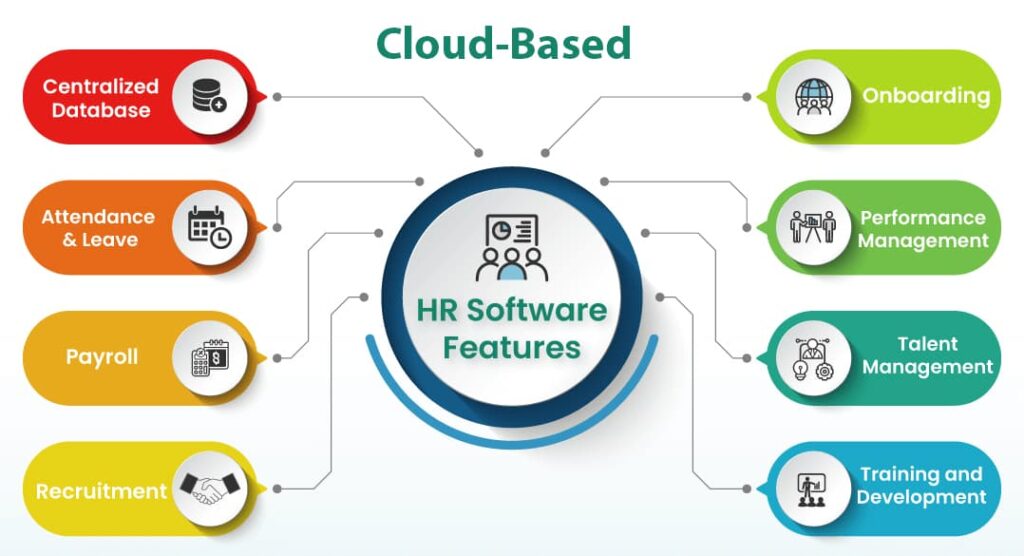
Human Resource Systems (HRMS/HRIS) are software platforms that consolidate HR functions such as payroll, benefits, talent management, performance tracking, and employee engagement into a unified system. By automating administrative tasks and centralizing data, HR systems allow businesses to operate more efficiently and provide better support for their most important asset—employees.

While HR systems were once seen primarily as tools for operational efficiency, modern HR solutions now offer far more comprehensive features that address employee needs, well-being, and engagement. With the rise of new technologies like AI, machine learning, and employee wellness platforms, these systems are becoming integral to improving the employee experience and creating healthier organizations.

How HR Systems Improve Employee Well-Being

Employee well-being is a broad concept that encompasses various factors, including physical health, mental health, financial stability, social connections, and career satisfaction. HR systems support well-being initiatives in several ways:

1. Promoting Physical and Mental Health

A healthy workforce is crucial to organizational success. Many HR systems now feature wellness modules that promote physical and mental health. These systems can integrate with employee wellness programs, track fitness challenges, and even provide access to health resources such as telemedicine services or stress management tools.

  • Wellness Tracking: HR systems can help organizations track employee participation in wellness programs. This data can be used to offer personalized health benefits and support targeted wellness initiatives that align with employees' specific needs. For example, HR systems can provide employees with access to gym memberships, mindfulness apps, or mental health resources, improving overall well-being.

  • Mental Health Support: Mental health awareness in the workplace has grown, and HR systems can provide tools that support mental wellness, including access to counseling services, wellness webinars, or workshops focused on stress management, burnout prevention, and mindfulness. Moreover, HR systems can track employee engagement with mental health initiatives, helping organizations identify trends and provide the appropriate support.

2. Enhancing Work-Life Balance

Work-life balance is one of the most significant factors influencing employee satisfaction and retention. HR systems empower employees to take control of their work-life balance by offering self-service portals and automated scheduling features. These tools help employees manage their time off, make flexible work requests, and track work hours, ensuring that employees have the freedom to take care of their personal needs without undue stress.

  • Flexible Work Arrangements: In a world where remote and hybrid work models are becoming more common, HR systems provide the necessary infrastructure for managing flexible work schedules. These systems allow employees to request remote work days, track hours, and stay connected with their teams. Flexibility leads to improved job satisfaction and better mental well-being.

  • Time-Off Management: HR systems offer employees easy access to time-off requests and management tools. They can submit vacation requests, personal days, and sick leave through self-service portals, ensuring that employees can balance personal and professional commitments without unnecessary hurdles. Automated approval workflows and time-off tracking help reduce the administrative burden on HR teams and create a smooth experience for employees.

3. Supporting Financial Health

Financial stress is a leading cause of anxiety for many employees, which can significantly impact productivity and well-being. HR systems can support financial wellness programs and help employees manage their financial health in the following ways:

  • Financial Education Programs: Many HR systems feature financial literacy resources or provide employees with access to webinars and educational content on topics like budgeting, saving, debt management, and retirement planning. These resources give employees the tools they need to take control of their finances, which ultimately helps reduce stress and improve mental well-being.

  • Pay Transparency and Financial Benefits: HR systems allow organizations to offer pay transparency and provide clear access to employee benefits like health savings accounts, 401(k) contributions, and insurance plans. Employees can track their benefits easily and make informed decisions about their financial health, which enhances their overall sense of security.

  • Pay-on-Demand Features: Some advanced HR systems integrate with financial wellness platforms to offer pay-on-demand services, allowing employees to access their earned wages before payday. This provides financial flexibility and reduces the stress associated with tight pay cycles, contributing to improved financial well-being.

4. Fostering a Positive Work Culture

A healthy organizational culture is a cornerstone of employee well-being. HR systems support positive culture by enhancing communication, providing recognition tools, and tracking engagement. These systems offer an ecosystem where employees feel valued, connected, and motivated, all of which contribute to their overall well-being.

  • Employee Engagement Tools: HR systems often include surveys, feedback tools, and pulse surveys to gauge employee engagement levels. Regular feedback helps identify potential areas of concern and provides insights into how employees feel about their work environment. By addressing any issues promptly, organizations can foster a culture of open communication and continuous improvement.

  • Recognition and Rewards Programs: Many HR systems include tools for recognizing and rewarding employees. Public recognition of achievements, whether through peer-to-peer recognition features or manager-led shout-outs, boosts morale and reinforces a positive company culture. Recognition programs contribute to higher levels of job satisfaction and motivation, which, in turn, improves employee well-being.

  • Social Connectivity: HR systems also offer social platforms that encourage employees to connect outside of work-related tasks. By providing space for social interactions, organizations can foster relationships among employees, build a sense of community, and reduce feelings of isolation.

How HR Systems Improve Organizational Health

An organization’s health is not just about its employees’ well-being; it also encompasses its operational and financial efficiency, culture, and long-term sustainability. HR systems contribute to organizational health in the following ways:

1. Data-Driven Insights for Proactive Management

HR systems collect and analyze vast amounts of employee data, which can be used to assess employee well-being, engagement, and performance. These insights allow HR teams and organizational leaders to make informed decisions that enhance overall organizational health.

  • Predictive Analytics: With the use of predictive analytics, HR systems can help identify trends such as rising burnout levels, disengagement, or employee turnover risk. By proactively addressing these issues, organizations can prevent problems before they escalate and create a more supportive work environment for employees.

  • Workforce Planning: HR systems help organizations better manage their talent pipelines by providing data on employee skills, performance, and potential. This enables more effective workforce planning, ensuring that the right talent is in place to meet organizational goals, which enhances overall efficiency.

2. Compliance and Risk Management

recruitment management system hong kong s are instrumental in ensuring that organizations remain compliant with labor laws, regulations, and employee health and safety standards. By automating compliance processes, HR systems reduce the risk of legal issues, helping maintain a stable and healthy organization. These systems also ensure that employee data is stored securely, reducing the risk of data breaches and ensuring that the organization adheres to privacy laws.

3. Retention and Talent Development

Healthy organizations retain top talent by providing opportunities for growth, development, and career advancement. HR systems support retention strategies by offering learning and development tools, career pathing, and performance management features that help employees grow within the company. These programs, when managed effectively, contribute to the overall stability and long-term health of the organization.

Conclusion

HR systems are no longer just administrative tools—they are critical to enhancing employee well-being and organizational health. By promoting physical and mental health, improving work-life balance, supporting financial wellness, fostering a positive work culture, and providing data-driven insights, HR systems are becoming essential in creating a thriving, healthy workplace. As organizations continue to prioritize employee well-being, investing in comprehensive HR systems will be key to building a resilient, engaged workforce and maintaining long-term organizational success.

Hearing Aids: Empowering Better Hearing and Enhancing Lives

Hearing loss is one of the most common health challenges that people face as they age or due to other factors like genetic conditions, noise exposure, and illness. Despite its widespread nature, hearing loss is often overlooked or undiagnosed, causing individuals to withdraw from social situations, miss out on critical sounds, or struggle with communication. Fortunately, modern technology, particularly hearing aids, has brought solutions that can significantly improve the lives of those affected by hearing loss.

Hearing aids are powerful devices that amplify sound, allowing users to hear better, communicate effectively, and enjoy life more fully. This article delves into how hearing aids work, the different types available, the latest technological advancements, and why they are a valuable tool for enhancing the lives of people with hearing impairments.

Understanding Hearing Loss

Hearing loss can be classified into three main categories:

  1. Sensorineural Hearing Loss: This type of hearing loss occurs when there is damage to the inner ear or auditory nerve, commonly due to aging, noise exposure, or disease. This is the most common form of hearing loss.

  2. Conductive Hearing Loss: Conductive hearing loss results from problems in the outer or middle ear, such as fluid accumulation, ear infections, or physical blockages that prevent sound from reaching the inner ear.

  3. Mixed Hearing Loss: Mixed hearing loss is a combination of both sensorineural and conductive hearing loss, affecting both the inner and outer ear.

While each type of hearing loss presents its own set of challenges, hearing aids offer a solution by amplifying sounds and helping individuals compensate for their hearing deficits.

How Hearing Aids Work

Hearing aids are small, sophisticated devices that work to improve hearing by amplifying sound and enhancing its clarity. While the specific features and technology vary by model, the basic components of most hearing aids include:

  1. Microphone: The microphone picks up sounds from the environment, converting them into electrical signals for processing.

  2. Amplifier: The amplifier increases the volume of the sound signals. It adjusts the sound according to the user’s hearing needs, amplifying softer sounds and ensuring louder sounds do not become overwhelming.

  3. Receiver: The receiver transmits the amplified sound to the ear, which is then heard by the wearer. The sound travels through the ear canal to the eardrum.

  4. Battery: The battery powers the hearing aid, ensuring it functions throughout the day. Many hearing aids today come with rechargeable batteries, eliminating the need for constant replacement.

Modern hearing aids are digital, meaning they process sound in real-time and adjust to changing environments, such as moving from a quiet room to a noisy outdoor area. This adaptability ensures optimal performance in various listening situations.

Types of Hearing Aids

Hearing aids come in different styles and configurations, each designed to suit different degrees of hearing loss, user preferences, and comfort levels. The main types include:

1. Behind-the-Ear (BTE) Hearing Aids

BTE hearing aids consist of a small device that sits behind the ear, with a tube connecting it to an earmold or ear tip that fits into the ear canal. BTE models are ideal for individuals with mild to profound hearing loss and offer robust amplification power.

Pros:

  • Suitable for a wide range of hearing loss severity.
  • Long-lasting with larger batteries, providing extended usage.
  • Can be equipped with advanced features like Bluetooth connectivity.

Cons:

  • More visible than other hearing aid styles.
  • May feel bulky for some users.

2. Receiver-in-the-Canal (RIC) Hearing Aids

RIC hearing aids are similar to BTE models but feature a small receiver located in the ear canal, connected to the main unit by a thin wire. These devices are more discreet and still offer powerful amplification for a variety of hearing loss levels.

Pros:

  • Smaller and less visible than traditional BTE models.
  • Natural sound quality due to the receiver's placement in the ear canal.
  • Suitable for mild to severe hearing loss.

Cons:

  • Requires regular cleaning to avoid earwax buildup in the receiver.
  • May not be ideal for users with profound hearing loss.

3. In-the-Ear (ITE) Hearing Aids

ITE hearing aids are custom-made to fit inside the outer ear. These devices are all-in-one units that house all the components in a single shell. ITE hearing aids are often used for individuals with mild to severe hearing loss.

Pros:

  • Custom-made to fit the individual’s ear for comfort.
  • Easy to handle and adjust.
  • Suitable for a variety of hearing losses.

Cons:

  • More visible than smaller hearing aid models.
  • Can accumulate earwax, requiring regular cleaning.

4. In-the-Canal (ITC) and Completely-in-the-Canal (CIC) Hearing Aids

ITC and CIC hearing aids are small, custom-made devices that fit into the ear canal. They are ideal for individuals with mild to moderate hearing loss and are much less noticeable than other styles.

Pros:

  • Very discreet and comfortable to wear.
  • Ideal for mild to moderate hearing loss.

Cons:

  • Limited amplification for severe hearing loss.
  • Can be difficult to handle or adjust due to their small size.

5. Implantable Hearing Aids

Implantable hearing aids, such as Bone-Anchored Hearing Aids (BAHA), are surgically implanted into the bone behind the ear. These devices bypass the outer and middle ear and stimulate the inner ear directly, making them suitable for people with severe or profound hearing loss.

Pros:

  • Effective for individuals with severe hearing loss.
  • Bypasses the outer and middle ear, delivering direct sound stimulation.

Cons:

  • Requires surgery for implantation.
  • Not suitable for all users.

Technological Advancements in Hearing Aids

The latest hearing aids incorporate cutting-edge technology to improve sound quality, increase comfort, and provide a more natural listening experience. Some of the advancements include:

  1. Noise Reduction: Modern hearing aids are equipped with noise reduction systems that filter out background noise and enhance speech clarity. This makes communication easier in noisy environments like restaurants, parties, or busy streets.

  2. Directional Microphones: Directional microphones help hearing aids focus on sounds coming from specific directions, such as a person speaking in front of the user. This enhances speech understanding in noisy settings.

  3. Wireless Connectivity: Many hearing aids now feature Bluetooth technology, allowing users to connect their devices to smartphones, televisions, and other electronic devices. This enables users to stream audio directly to their hearing aids, improving the experience of phone calls, music, and media consumption.

  4. Rechargeable Batteries: Rechargeable hearing aids are becoming more popular as they eliminate the need for disposable batteries. With rechargeable models, users can simply place their hearing aids on a charger overnight and use them throughout the day.

  5. Telecoil Technology: Telecoil technology allows hearing aids to connect directly to hearing loop systems found in public places such as theaters, churches, and airports. This improves sound quality by bypassing external noise.

  6. Automatic Adjustment: Some modern hearing aids feature automatic volume adjustment and sound processing. These devices can adapt to different environments (e.g., quiet to noisy) without the user having to manually adjust settings.

The Benefits of Hearing Aids

Wearing hearing aids can offer numerous benefits that go beyond simply improving hearing. Some of the key benefits include:

  1. Improved Communication: By amplifying sound and enhancing speech clarity, 耳水不平衡 aids allow individuals to engage in conversations more easily. This reduces misunderstandings and makes social interactions more enjoyable.

  2. Enhanced Social Engagement: With hearing aids, people with hearing loss are more likely to participate in social events, conversations, and group activities, reducing the isolation that often accompanies untreated hearing loss.

  3. Better Cognitive Function: Research has shown that untreated hearing loss can contribute to cognitive decline and even dementia. By improving hearing, hearing aids help preserve cognitive function and reduce the risk of mental health issues.

  4. Increased Independence: With hearing aids, individuals are more independent and capable of handling daily activities, such as responding to alarms, hearing traffic while walking, or following phone calls and conversations in various settings.

  5. Improved Quality of Life: Ultimately, hearing aids improve the overall quality of life for individuals with hearing loss. They help users enjoy activities like listening to music, watching TV, and participating in family conversations, fostering a sense of joy and fulfillment.

Conclusion

Hearing aids have become indispensable tools for individuals experiencing hearing loss, providing them with the means to reconnect with the world and communicate more effectively. These small, advanced devices can significantly improve hearing, reduce social isolation, and enhance the quality of life.

With the continued development of hearing aid technology, including noise reduction, wireless connectivity, and automatic adjustments, users can enjoy a more natural and immersive hearing experience. Whether for those with mild or severe hearing loss, there is a hearing aid solution to suit every need and lifestyle.

If you or someone you know is struggling with hearing loss, consulting a hearing healthcare professional is the first step toward finding the right solution. With the right hearing aid, individuals can regain their independence, enjoy improved communication, and lead a more fulfilling life.

Download the Betcart App for Android: A Complete Guide to Seamless Betting

Are you ready to elevate your betting experience? The Betcart App for Android offers all the excitement of sports betting and casino games in the palm of your hand. With the mobile app, you can enjoy a seamless and secure betting experience, whether you’re at home or on the go. In this article, we’ll walk you through how to download the Betcart App and highlight the features that make it the ultimate platform for Android users.

How to Download the Betcart App for Android

Getting the Betcart App for your Android device is easy and straightforward. Here’s how you can download it:

  1. Visit the Official Betcart Website: The first step is to go to the official Betcart website. This ensures you get the latest and most secure version of the app.

  2. Download the APK File: Once you're on the Betcart website, locate the download link specifically for Android users. Tap on the link, and the APK file will begin downloading to your device.

  3. Allow Installation from Unknown Sources: Before you can install the app, you may need to enable the option to install apps from unknown sources in your device’s settings. This is a simple step to ensure your device allows the Betcart App to be installed.

  4. Install the App: After the APK file is downloaded, tap on it to begin the installation. Follow the on-screen prompts, and the Betcart App will be installed in no time.

  5. Log In or Sign Up: Once the installation is complete, open the Betcart App. If you already have an account, simply log in. If you're new to Betcart, sign up for an account, make your first deposit, and you’re all set to start betting!

Why Betcart App is the Best for Android Users

The Betcart App is designed with Android users in mind, offering a comprehensive and user-friendly platform. Here’s why it’s perfect for anyone who enjoys betting:

  • Wide Range of Betting Options: Betcart covers a broad spectrum of sports, including football, basketball, tennis, and more. Plus, it has an exciting selection of casino games like slots, poker, and blackjack. With so many options, you’ll never run out of ways to place a bet and enjoy your favorite games.

  • Live Betting: The Betcart App stands out for its live betting feature. You can place bets on ongoing sports events, track live odds, and adjust your wagers as the action unfolds. This real-time feature adds a layer of excitement, making the betting experience much more dynamic.

  • Optimized for Mobile Devices: Whether you're using a high-end Android device or a more affordable model, the Betcart App is optimized for smooth performance. The app is designed to run seamlessly on all devices, ensuring that you can enjoy a lag-free experience.

  • Secure Payments: Betcart offers a range of secure payment options for deposits and withdrawals. You can rest easy knowing that your financial data is protected with the latest encryption technology, ensuring safe and reliable transactions every time.

Key Features of Betcart Android App

The Betcart App is packed with features that make it one of the top choices for mobile betting:

  • Push Notifications: Stay up-to-date with real-time updates on live scores, odds, promotions, and your bet status. Push notifications help you make informed decisions and ensure that you never miss out on any betting opportunities.

  • User-Friendly Interface: The app’s interface is designed to be simple and intuitive. Navigation is smooth, and placing bets is easy, even for beginners. You’ll be able to find the sports, odds, and games you want to bet on in just a few taps.

  • Exclusive Mobile Promotions: The Betcart App offers exclusive promotions and bonuses that are only available to mobile users. This can include free bets, deposit bonuses, and other exciting rewards, giving you more chances to win big.

  • 24/7 Customer Support: If you ever need assistance, Betcart offers 24/7 customer support directly within the app. Whether you have questions about your account, need help with a transaction, or want advice on betting strategies, the support team is always ready to help.

Tips for Maximizing Your Betting Experience with Betcart App

To make the most out of the Betcart App, here are a few tips:

  • Enable Push Notifications: By enabling push notifications, you can stay updated on the latest live betting opportunities, changing odds, and special offers. This feature ensures you’re always in the loop, helping you make smarter betting decisions.

  • Check for Mobile-Only Bonuses: Betcart rewards mobile users with exclusive offers. Don’t forget to check the promotions section of the app to take advantage of mobile-only bonuses and free bet opportunities.

  • Explore Different Betting Markets: The Betcart App gives you access to a wide range of betting markets. Whether you’re into sports, casino games, or virtual betting, the app provides multiple options. Try exploring different markets to enhance your betting experience.

  • Manage Your Bankroll: Set a budget before you start betting. The اپلیکیشن بتکارت App allows you to manage your funds efficiently, ensuring you bet responsibly and stay in control of your bankroll.

Conclusion

The Betcart App for Android is a must-have for anyone who loves online betting. Whether you're placing bets on your favorite sports, enjoying live betting, or testing your luck in the casino, the Betcart App provides a secure and user-friendly platform for all your betting needs. With its wide range of betting options, real-time updates, and exclusive mobile promotions, the Betcart App delivers a truly immersive experience.

Metro Dental Hong Kong: Transforming Smiles with Excellence

A healthy and confident smile is more than just an aesthetic asset—it’s a reflection of overall well-being. Metro Dental Hong Kong is dedicated to providing high-quality, comprehensive, and affordable dental care, ensuring every patient receives personalized treatment in a comfortable setting. Whether you need preventive care, cosmetic enhancements, or specialized dental procedures, Metro Dental is a trusted name in modern dentistry across Hong Kong.

Why Choose Metro Dental?

Metro Dental stands out as a leading dental provider, offering:

Experienced Dental Professionals – Skilled dentists and specialists in various fields.

Convenient Locations – Clinics across Tsim Sha Tsui, Mong Kok, Yuen Long, Tseung Kwan O, and other key areas.

State-of-the-Art Technology – Advanced equipment for precise diagnoses and treatments.

Comprehensive Treatment Options – Covering general, cosmetic, orthodontic, and restorative dentistry.

Patient-Centered Approach – Focused on comfort, affordability, and long-term oral health.

Comprehensive Dental Services at Metro Dental

1. Preventive & General Dentistry

Regular dental check-ups are essential for maintaining a healthy smile. Services include:

  • Routine Exams & Professional Cleaning – Prevents cavities and gum disease.
  • Fluoride Treatment – Strengthens teeth and prevents decay.
  • Digital X-Rays & 3D Imaging – For early detection of dental issues.

2. Cosmetic Dentistry for a Brighter Smile

Enhance the aesthetics of your teeth with Metro Dental’s cosmetic solutions:

  • Teeth Whitening – Removes stains for a radiant smile.
  • Porcelain Veneers – Improves the shape and color of teeth.
  • Smile Makeovers – Customized treatments for a perfect smile.

3. Restorative Dentistry

Repair and restore damaged or missing teeth with long-lasting solutions:

  • Tooth-Colored Fillings – Natural-looking and durable restorations.
  • Crowns & Bridges – Strengthen and replace missing teeth.
  • Dentures & Partial Dentures – Comfortable replacements for lost teeth.

4. Orthodontic Treatments

Straighten misaligned teeth and correct bite issues with:

  • Traditional Braces – A time-tested method for teeth alignment.
  • Invisalign & Clear Aligners – A discreet alternative to metal braces.
  • Retainers & Orthodontic Appliances – For long-term teeth positioning.

5. Dental Implants & Oral Surgery

For advanced dental restoration, Metro Dental offers:

  • 假牙 Implants – A permanent solution for missing teeth.
  • Wisdom Tooth Extraction – Safe removal of impacted teeth.
  • Bone Grafting – Strengthening the jawbone for implants.

6. Periodontal (Gum) Treatments

Healthy gums are vital for strong teeth. Metro Dental provides:

  • Deep Cleaning & Scaling – Removes plaque buildup to prevent gum disease.
  • Laser Gum Therapy – A minimally invasive procedure for gum health.
  • Receding Gums Treatment – Restores gum tissue and protects teeth.

7. Pediatric Dentistry

Children receive gentle, friendly, and specialized dental care to ensure a positive experience.

Cutting-Edge Facilities & Patient Comfort

Metro Dental’s Tsim Sha Tsui flagship clinic is a government-approved day procedure center, offering monitored anesthesia care for a stress-free experience during advanced treatments.

Affordable & Accessible Dental Care

Metro Dental makes quality dental care accessible with affordable pricing, transparent costs, and acceptance of healthcare vouchers.