Millermarker

Revolutionizing Construction: The Intersection of Innovation, Sustainability, and Smart Technology

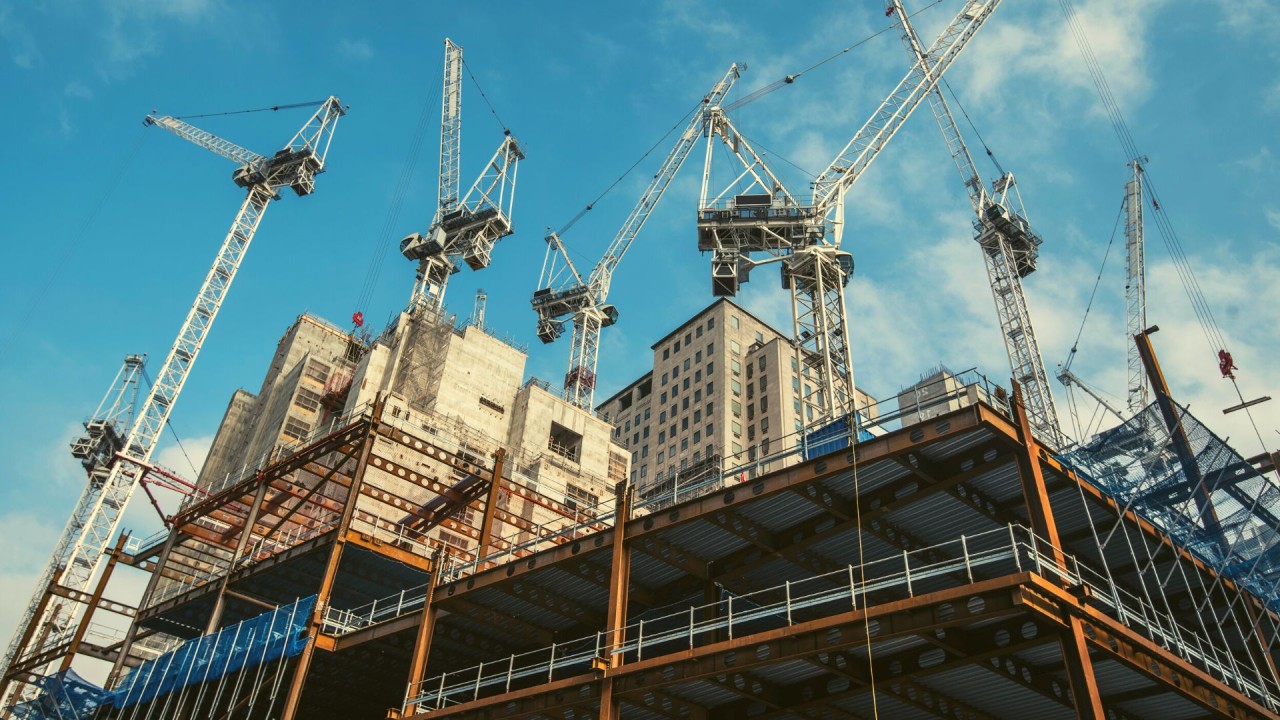
The construction industry, a cornerstone of human civilization for centuries, is experiencing a dramatic transformation. As cities grow, environmental concerns rise, and technological innovations continue to advance, the future of construction is evolving rapidly. Today’s construction projects are not only about erecting buildings; they are about creating smarter, more sustainable, and more resilient environments. This article explores the transformative trends in construction, from cutting-edge technology to sustainable practices, and how they are shaping the buildings of tomorrow.

The Evolution of Construction: From Tradition to Technology

Historically, construction has been a labor-intensive industry dominated by manual labor, traditional tools, and techniques passed down through generations. While the basic principles of construction remain unchanged, the introduction of advanced technologies is fundamentally altering how projects are designed, planned, and executed.

In the past few decades, the 清拆工程 industry has begun to embrace new technologies such as 3D printing, robotics, AI, and BIM (Building Information Modeling). These innovations are pushing the boundaries of what is possible, making construction more efficient, cost-effective, and sustainable. With new tools and methodologies available, construction is no longer just about building; it’s about transforming how we interact with our built environment.

Smart Construction: The Role of Emerging Technologies

The integration of smart technologies into construction is one of the most exciting developments in the industry. These technologies enhance every aspect of the construction process, from planning and design to operations and maintenance. Some key innovations include:

1. Building Information Modeling (BIM)

Building Information Modeling (BIM) has become a game-changer in the construction industry. BIM is a digital representation of a building’s physical and functional characteristics, allowing architects, engineers, contractors, and owners to collaborate in real time. This 3D model not only helps in visualizing the project before construction begins but also enables teams to detect design flaws, plan logistics more efficiently, and ensure that the final structure meets all specifications.

BIM improves efficiency by providing a comprehensive view of a building’s lifecycle. From design and construction to facility management, BIM is used to optimize performance and reduce costs. As the construction industry embraces BIM, the time and money spent on rework and errors is dramatically reduced.

2. Artificial Intelligence and Machine Learning

AI and machine learning are significantly impacting how construction projects are managed. By analyzing vast amounts of data, AI can predict potential issues such as project delays, safety risks, and cost overruns before they occur. Machine learning algorithms can optimize scheduling, workforce allocation, and resource management, allowing construction teams to make real-time adjustments for maximum efficiency.

Furthermore, AI-powered tools are being used for design optimization. These tools can generate multiple design iterations, helping architects and engineers find the most cost-effective, efficient, and environmentally-friendly designs. With AI handling many routine tasks, construction professionals can focus on the creative and problem-solving aspects of their work.

3. 3D Printing

3D printing, or additive manufacturing, is one of the most revolutionary technologies in construction today. The ability to “print” buildings, or parts of buildings, layer by layer offers unprecedented possibilities for reducing material waste, improving precision, and lowering construction costs.

3D printing is particularly useful in creating affordable housing, as it allows for rapid construction using locally sourced materials. This technique is also being applied to producing complex architectural elements, such as intricate facades or bespoke components, that would be difficult to create using traditional construction methods.

Moreover, 3D printing is increasingly being explored for its potential to help address the global housing crisis, with several companies already using the technology to build homes quickly and affordably in underserved regions.

4. Drones

Drones are becoming an invaluable tool in modern construction projects. Drones equipped with high-resolution cameras and sensors can survey large construction sites quickly and accurately, gathering data on progress, quality, and safety. They provide real-time aerial views of the site, enabling project managers to monitor work, identify issues, and make decisions without being physically present.

Drones can also be used to create 3D maps and models of construction sites, assisting with site planning, measurements, and material tracking. Additionally, they can reduce the need for manual inspections, which are often time-consuming and dangerous.

5. Robotics and Automation

Robots are now being employed for several tasks on construction sites, from bricklaying to welding and even demolition. These autonomous systems can work faster and more accurately than human labor, which increases productivity and reduces errors. Construction robots are particularly valuable in dangerous or physically demanding tasks, improving site safety by taking on high-risk duties such as heavy lifting and working at great heights.

Robotic systems are also helping with quality control. Automated machines are capable of conducting inspections and ensuring that every component is installed correctly, minimizing the likelihood of errors that could lead to costly repairs later on.

Sustainability in Construction: Building with the Future in Mind

As climate change continues to be a pressing global concern, the construction industry has a crucial role to play in reducing its environmental impact. The industry is responsible for a significant portion of global greenhouse gas emissions, primarily due to energy use in buildings and the materials used in construction. However, advancements in green building technologies and sustainable practices are helping the industry make significant strides toward sustainability.

1. Sustainable Materials

The push for sustainability has led to the development of innovative building materials that are more environmentally friendly. Some examples include:

  • Recycled materials: Construction companies are increasingly using recycled materials, such as reclaimed wood, recycled steel, and repurposed concrete, to reduce waste and lower the demand for raw materials.
  • Low-carbon concrete: Traditional concrete production is a significant source of carbon emissions, but new low-carbon concrete mixes, made from alternative materials like fly ash or slag, can significantly reduce the carbon footprint of construction projects.
  • Green insulation: Eco-friendly insulation materials such as cellulose, sheep’s wool, and recycled denim are becoming more popular due to their lower environmental impact compared to traditional foam-based insulation.

By using sustainable materials, construction projects can reduce their carbon footprint while also supporting circular economy principles, where materials are reused, recycled, or repurposed instead of being discarded.

2. Energy-Efficient Building Designs

Energy efficiency is a cornerstone of modern sustainable construction. Buildings account for a large percentage of global energy consumption, but this can be mitigated through efficient design. High-performance insulation, energy-efficient windows, and advanced HVAC systems help minimize energy use. Additionally, the integration of smart technologies allows buildings to optimize energy consumption based on real-time data.

Buildings that are designed with energy efficiency in mind often reduce operational costs over time, making them attractive investments. Smart buildings can learn and adapt to the habits of their occupants, automatically adjusting lighting, heating, and cooling to ensure comfort while minimizing energy waste.

3. Renewable Energy Integration

The adoption of renewable energy systems in buildings is increasing. Solar panels, wind turbines, and geothermal energy systems are being integrated into new construction projects to reduce dependence on nonrenewable energy sources. These systems can generate electricity, heat, and water for buildings, cutting down on utility costs and reducing environmental impact.

Furthermore, the combination of energy-efficient designs with renewable energy systems allows for the creation of “net-zero” buildings, which generate as much energy as they consume. As governments and businesses strive to meet sustainability goals, the demand for these energy-positive buildings will continue to rise.

The Future of Construction: A Resilient, Inclusive, and Technologically Advanced Industry

The future of construction is not just about technology and efficiency; it is also about building for a more resilient and inclusive world. Climate change, population growth, and urbanization are just a few of the challenges that the industry will face in the coming years. However, the adoption of innovative technologies and sustainable practices provides a pathway for overcoming these challenges and creating buildings that are not only functional but also sustainable, adaptable, and resilient.

As we move forward, the construction industry will need to continue embracing technological innovations, prioritize environmental sustainability, and adapt to the changing needs of society. The buildings of tomorrow will be smarter, more efficient, and more sustainable—driving positive change for both people and the planet.

Clinics: Pillars of Community Health and Wellness

In an increasingly complex healthcare environment, clinics stand out as one of the most essential and versatile elements of the healthcare system. Whether providing primary care, preventive services, or specialized treatments, 屯門兒科 s act as the first point of contact for millions of people seeking medical care. They are integral not only in diagnosing and treating illnesses but also in promoting overall well-being and offering cost-effective care for diverse populations.

From small rural health centers to bustling urban medical hubs, clinics cater to individuals at various stages of health, offering crucial services that prevent diseases and manage chronic conditions. This article explores the indispensable role of clinics, their significance in modern healthcare, and the challenges they face in meeting the ever-growing healthcare needs of communities worldwide.

What Is a Clinic? A Multi-Faceted Healthcare Facility

A clinic is generally defined as a healthcare facility that provides outpatient services—meaning that patients visit for medical consultations, diagnosis, treatment, and follow-up care but do not require admission for an overnight stay. While clinics vary in size, scope, and specialty, they all share the common goal of offering accessible, affordable, and efficient care to those who need it.

Clinics can be broadly categorized into several types:

  • Primary care clinics, which focus on general health maintenance, disease prevention, and early diagnosis.
  • Specialty clinics, which provide care for specific health conditions or populations, such as cardiology, pediatrics, or geriatrics.
  • Urgent care centers and walk-in clinics, which cater to non-emergency but urgent healthcare needs.
  • Community health clinics, which often serve low-income or underserved populations, offering services on a sliding fee scale.

Regardless of the specific type, clinics are an essential part of the healthcare system, offering services that are not only cost-effective but also focused on early intervention and preventative care.

The Role of Clinics in Promoting Accessible Healthcare

1. Improved Access to Care for All

Clinics are often the most accessible form of healthcare available, especially in underserved communities or rural areas. In contrast to large hospitals, which may require long wait times or extensive travel, clinics are usually more localized, making it easier for people to receive timely care. Many communities benefit from having a clinic nearby, offering essential services without the barriers that can exist in more centralized medical facilities.

Clinics are typically open for extended hours, including evenings and weekends, which makes them an excellent choice for individuals who may not be able to take time off work to visit a doctor during normal business hours. This flexibility is especially important for those with non-life-threatening conditions, as it allows them to seek care without the hassle of navigating emergency room crowds or waiting weeks for an appointment with a specialist.

2. Cost-Effective and Affordable Services

Another critical advantage of clinics is their cost-effectiveness. Operating with lower overhead compared to large hospitals, clinics can offer healthcare services at a fraction of the price. For patients without health insurance or those with high-deductible plans, clinics often provide affordable solutions for basic healthcare needs. Many clinics work on a sliding fee scale, adjusting the cost of services according to the patient’s ability to pay. This model ensures that healthcare is accessible to people from all walks of life.

Clinics may also be covered by government programs such as Medicaid or Medicare, further lowering the financial burden on patients. For those in areas where healthcare services are scarce or expensive, community-based clinics often provide a critical safety net for medical care.

3. Reducing Emergency Room Overload

Emergency departments in hospitals are often overwhelmed with patients seeking care for non-emergency issues. This overuse of hospital emergency rooms (ERs) can lead to long wait times, increased healthcare costs, and strain on hospital resources. Clinics help reduce this burden by providing a viable alternative for people who need medical attention for conditions that are not life-threatening but still require prompt treatment.

For instance, conditions such as fevers, colds, mild infections, and minor injuries can often be treated effectively in a clinic setting, allowing emergency departments to focus on more critical cases like heart attacks, strokes, or trauma. This also helps lower overall healthcare costs, as visits to clinics are typically much less expensive than trips to the ER.

The Essential Role of Clinics in Preventive Care

1. Routine Checkups and Early Detection

Clinics play a pivotal role in preventive health by providing routine checkups, screenings, and health education. Regular visits to a clinic for basic health assessments—such as blood pressure checks, cholesterol screenings, and blood sugar tests—can help identify risk factors for serious conditions like heart disease, diabetes, and stroke early on. Early detection of potential health issues is crucial for preventing the progression of chronic diseases and can lead to better health outcomes overall.

For example, a routine visit to the clinic may uncover hypertension or pre-diabetes, allowing the provider to recommend lifestyle changes or medications that can prevent the development of more serious conditions.

2. Vaccinations and Immunizations

Clinics are also key providers of vaccinations, which are essential for preventing infectious diseases. Flu shots, childhood vaccinations, and immunizations for conditions like hepatitis and pneumonia are often administered in clinic settings. Vaccination programs, especially in communities with limited access to healthcare, are instrumental in preventing outbreaks of contagious diseases and protecting public health.

During pandemics or global health crises, such as the COVID-19 pandemic, clinics have been on the front lines, offering widespread vaccination efforts to ensure community-wide immunity. Their role in these efforts cannot be overstated.

3. Health Education and Lifestyle Counseling

Health promotion and education are central to the work of many clinics. Healthcare providers within clinics often take time to offer health education on a variety of topics, including nutrition, physical activity, smoking cessation, and mental health. Many clinics also provide lifestyle counseling and support services, such as advice on weight management, stress reduction, and alcohol and drug abuse prevention.

By empowering patients with knowledge and tools for healthier living, clinics contribute to long-term improvements in individual and community health, potentially reducing the incidence of preventable diseases and lowering overall healthcare costs.

Managing Chronic Diseases at the Clinic Level

1. Long-Term Care for Chronic Conditions

Many clinics offer specialized services for individuals living with chronic conditions such as diabetes, asthma, arthritis, and chronic obstructive pulmonary disease (COPD). These clinics help patients manage their conditions through medication management, health monitoring, and lifestyle interventions.

For instance, a clinic that specializes in diabetes management may provide regular blood glucose monitoring, nutritional counseling, and support with physical activity programs to help patients maintain stable blood sugar levels. Similarly, cardiac clinics work with patients to manage heart disease, adjusting medications and lifestyle recommendations as needed.

The ability to manage chronic diseases in a clinic setting helps prevent hospitalizations and reduces the burden on more specialized, expensive healthcare services.

2. Access to Specialist Care

Some clinics offer specialized services for patients with specific health concerns. Mental health clinics, for example, provide therapy and counseling for individuals experiencing anxiety, depression, and other psychological disorders. Pain management clinics focus on providing treatments for those suffering from chronic pain, while pediatric clinics cater to the health needs of children.

This access to specialized care is crucial, as it ensures that patients can receive targeted treatment and support without the need for a referral to larger hospitals or specialized centers. Clinics are often more responsive and accessible, which allows patients to receive timely care for their specific health needs.

Overcoming the Challenges Faced by Clinics

1. Staffing Shortages and Burnout

One of the primary challenges facing clinics today is the shortage of healthcare professionals. Clinics, particularly in rural or underserved areas, often struggle to recruit and retain physicians, nurses, and other healthcare workers. This shortage can lead to longer wait times, overburdened staff, and potentially lower quality of care.

Additionally, healthcare workers in clinics are often at risk of burnout due to high patient volumes and the emotional demands of the work. Addressing these staffing challenges requires investment in training, recruitment, and providing adequate support to healthcare professionals.

2. Financial Sustainability

Clinics, especially smaller community-based ones, face financial challenges due to rising operational costs and limited revenue. Many clinics rely on government funding, grants, or private donations to maintain operations. As healthcare needs increase, so does the financial pressure on these clinics to expand services and meet patient demand. Without consistent funding, clinics may be forced to reduce services or close their doors, leaving communities without access to care.

3. Integration of Technology

As healthcare continues to evolve, technological integration becomes a key factor in improving the efficiency and quality of clinic services. Clinics must adopt tools like electronic health records (EHR), telemedicine, and patient portals to streamline administrative tasks, improve patient communication, and enhance overall care delivery. However, smaller clinics may struggle with the cost and training required to implement these technologies effectively.

The Future of Clinics: Innovating Care Delivery

The future of clinics is increasingly intertwined with technological innovations and a shift toward more patient-centered care. Telemedicine and mobile health apps are transforming how clinics interact with patients, allowing for virtual consultations and remote monitoring of chronic conditions. Clinics are also adopting team-based care models, where healthcare providers work collaboratively to address all aspects of a patient's health.

In addition, the rise of community health initiatives and mobile clinics is expanding access to care in remote and underserved areas. The ability to bring care directly to patients in their communities will be essential in bridging the gap between health disparities and providing equitable care for all.

Conclusion

Clinics are essential to the functioning of modern healthcare systems, offering accessible, affordable, and preventive care to diverse populations. Whether through routine health screenings, chronic disease management, or specialized services, clinics help improve health outcomes and reduce the overall burden on hospitals. Despite facing challenges such as staffing shortages and financial pressures, clinics remain a vital component of the healthcare landscape. By embracing innovation and continuing to focus on patient-centered care, clinics will continue to thrive and adapt to meet the evolving needs of communities worldwide.

Modern Interior Design Trends for a Stylish Home

Keeping up with modern 辦公室裝修報價 trends can help you create a home that is not only stylish but also functional and comfortable. Whether you're renovating or just updating your decor, incorporating contemporary elements can refresh your space. Here are some of the top modern interior design trends to consider.

1. Minimalism with a Cozy Touch

Minimalism continues to be a dominant trend, focusing on clean lines, clutter-free spaces, and a neutral color palette. However, modern minimalism embraces warmth by incorporating textured fabrics, soft lighting, and natural materials to avoid a stark appearance.

2. Earthy and Natural Tones

Neutral colors such as beige, warm gray, and soft greens are gaining popularity as they evoke a sense of calm and connection to nature. These tones pair well with natural wood, stone, and organic fabrics.

3. Sustainable and Eco-Friendly Elements

Sustainability is an essential aspect of modern interior design. Using recycled materials, energy-efficient lighting, and sustainable furniture helps reduce environmental impact while creating a stylish and responsible living space.

4. Smart Home Integration

Technology is playing a significant role in modern interiors. Smart lighting, voice-controlled assistants, and automated home security systems are becoming common features that enhance convenience and efficiency.

5. Multifunctional Spaces

With the increasing need for home offices and flexible living areas, multifunctional furniture and adaptable layouts are in demand. Foldable desks, modular sofas, and hidden storage solutions help maximize space efficiency.

6. Statement Lighting Fixtures

Lighting is not just about illumination; it is also a statement piece. Oversized pendant lights, sculptural chandeliers, and LED strip lighting add a contemporary and artistic touch to interiors.

7. Biophilic Design

Incorporating greenery and natural elements indoors is a growing trend. Living walls, indoor plants, and large windows that bring in natural light contribute to a refreshing and health-conscious environment.

8. Mixing Textures and Materials

Combining different textures such as marble, glass, metal, and textiles adds depth and interest to a space. Layering materials enhances the overall aesthetic and prevents monotony.

Conclusion

Modern interior design trends focus on creating spaces that are stylish, functional, and environmentally conscious. By embracing minimalism, sustainable materials, smart technology, and natural elements, you can achieve a contemporary look that is both inviting and sophisticated. Whether you make small changes or embark on a full renovation, these trends can help you design a home that reflects modern elegance and comfort.

The Ultimate Guide to Elderly Care Services: Ensuring Comfort and Well-Being

Aging is an inevitable process that brings physical, emotional, and cognitive challenges. Ensuring quality elderly care services is essential to maintaining dignity, independence, and well-being for seniors. Our comprehensive senior care solutions provide personalized assistance, professional medical support, and emotional care tailored to the unique needs of elderly individuals.

Why Quality Elderly Care is Crucial

As individuals age, they often experience reduced mobility, chronic health issues, and cognitive decline. Proper elderly care helps improve quality of life, mental health, and overall wellness. By addressing personal, medical, and emotional needs, seniors can enjoy a more fulfilling and secure life.

Types of Elderly Care Services

1. In-Home Care Services

Many seniors prefer to age in the comfort of their own homes. Our in-home care services ensure they receive the assistance they need while maintaining independence. These services include:

  • Personal hygiene assistance (bathing, dressing, grooming)

  • Light housekeeping and laundry services

  • Meal preparation and dietary support

  • Medication reminders and health monitoring

  • Companionship and emotional support

  • Mobility assistance and fall prevention measures

By choosing in-home care, seniors can live safely and comfortably while receiving essential support.

2. Assisted Living Facilities

For seniors requiring structured care in a community setting, assisted living facilities provide the perfect balance between independence and professional support. These facilities offer:

  • 24/7 medical and personal 護老院名單 assistance

  • Engaging social activities and recreational programs

  • Nutritious meal plans tailored to dietary needs

  • Secure and safe environments with emergency response systems

  • On-site healthcare professionals and therapy services

Assisted living fosters a sense of community while ensuring the well-being of elderly individuals.

3. Memory Care for Dementia and Alzheimer’s

Caring for individuals with dementia or Alzheimer’s requires specialized expertise. Our memory care services focus on:

  • Cognitive therapy and stimulation activities

  • Safe, structured routines to reduce confusion

  • Secure environments to prevent wandering

  • Medication management and health monitoring

  • Family counseling and support groups

These services help improve cognitive function and overall quality of life for seniors with memory-related conditions.

4. Respite Care for Family Caregivers

Family caregivers often face emotional and physical exhaustion. Our respite care services provide temporary relief by offering:

  • Short-term care at home or in a facility

  • Medical supervision and personalized support

  • Recreational and therapeutic activities for seniors

  • Flexible scheduling based on family needs

By utilizing respite care, caregivers can take a well-deserved break while ensuring their loved ones receive high-quality care.

Senior Health and Wellness Programs

1. Physical Rehabilitation and Therapy

Maintaining mobility and strength is crucial for seniors. Our physical therapy and rehabilitation programs include:

  • Pain management and mobility improvement exercises

  • Fall prevention training and balance enhancement

  • Customized exercise routines for strength and flexibility

  • Post-surgical recovery and rehabilitation

These programs help seniors regain independence and enhance physical well-being.

2. Mental and Emotional Well-Being Support

Seniors often experience loneliness, anxiety, or depression. Our mental health and wellness programs include:

  • Counseling and therapy sessions

  • Social gatherings to prevent isolation

  • Music and art therapy for relaxation and self-expression

  • Mindfulness and meditation techniques

Prioritizing mental well-being ensures a healthier and happier life for seniors.

3. Nutritional Support and Meal Planning

A balanced diet plays a critical role in senior health. Our nutritional services offer:

  • Customized meal plans tailored to dietary needs

  • Nutrient-dense food options for better health

  • Hydration and supplement guidance

  • Meal preparation assistance for in-home care clients

Proper nutrition boosts immunity, enhances energy levels, and prevents chronic illnesses.

How to Choose the Right Elderly Care Service

When selecting an elderly care service, consider the following factors:

  • Level of care required (personal assistance, medical supervision, memory care)

  • Preferred living arrangement (in-home care vs. assisted living)

  • Health conditions and special needs

  • Budget and financial considerations

  • Reputation and experience of the service provider

Our tailored senior care solutions ensure that every elderly individual receives high-quality support and compassionate care.

Final Thoughts: Enhancing the Lives of Seniors

Providing exceptional elderly care services is essential for ensuring a fulfilling and dignified life for seniors. Our comprehensive elderly care programs are designed to support their physical, emotional, and social well-being. Whether through in-home care, assisted living, memory care, or health and wellness programs, our commitment remains to provide the best quality care that prioritizes seniors' well-being and happiness.

The Future of Printing: Emerging Trends and Technologies

The printing industry has continuously evolved, adapting to technological advancements and changing consumer demands. As digital transformation accelerates, the future of printing promises innovations that enhance efficiency, sustainability, and customization. This article explores key trends shaping the printing industry's future.

1. Digital Printing Dominance

Digital printing is expected to overtake traditional printing methods due to its speed, cost-effectiveness, and flexibility. Unlike offset printing, digital printing does not require plates, allowing for quicker turnaround times and personalized prints.

Advantages:

  • Ideal for short print runs

  • Enables on-demand printing

  • Reduces material waste

2. 3D Printing Revolution

3D printing, or additive manufacturing, is reshaping industries from healthcare to aerospace. By building objects layer by layer, this technology allows for rapid prototyping, customization, and reduced material usage.

Key Developments:

  • Bioprinting for medical applications

  • Sustainable 3D printing using recycled materials

  • Growth in industrial-scale additive manufacturing

3. Sustainable Printing Practices

Environmental concerns are pushing the industry toward greener solutions. Innovations in eco-friendly printing focus on reducing waste, energy consumption, and harmful chemicals.

Sustainable Trends:

  • Use of biodegradable and recycled paper

  • Vegetable-based inks replacing petroleum-based inks

  • Energy-efficient printing processes

4. Smart and Connected Printing

The integration of AI and IoT in printing devices is transforming workflow automation. Smart printers can self-diagnose issues, automate maintenance, and optimize ink usage.

Benefits:

  • Reduced downtime with predictive maintenance

  • Remote printing and cloud-based solutions

  • Enhanced security features for sensitive documents

5. Growth of Personalization and Customization

Consumers increasingly demand personalized prints, whether for marketing materials, packaging, or fashion. Variable data printing (VDP) allows brands to tailor content to individual customers, enhancing engagement and customer experience.

Applications:

  • Custom packaging with unique designs

  • Personalized direct mail marketing

  • One-of-a-kind apparel and accessories

6. Hybrid Printing Technologies

Combining traditional and digital printing methods is gaining traction. Hybrid printing allows businesses to leverage the strengths of both techniques, improving efficiency and expanding creative possibilities.

Examples:

  • Offset 印刷 with digital enhancements

  • Combination of screen and inkjet printing for textiles

  • Integration of UV printing for high-quality finishes

Conclusion

The future of printing is driven by technological advancements, sustainability efforts, and growing consumer expectations for customization. From 3D printing innovations to AI-driven automation, the industry is set for transformative changes that will redefine how we produce and consume printed materials.