In modern font industries, ensuring safety and maintaining best state of affairs conditions are top priorities. Gas leaks, venomous emissions, and vulnerable air timbre can pose substantial hazards to workers, the environment, and operational . This is where gas detectors and gas analyzers play a material role. These help notice, quantify, and supervise gases, providing […]
In modern font industries, ensuring safety and maintaining best state of affairs conditions are top priorities. Gas leaks, venomous emissions, and vulnerable air timbre can pose substantial hazards to workers, the environment, and operational . This is where gas detectors and gas analyzers play a material role. These help notice, quantify, and supervise gases, providing early on warnings and precise data to prevent accidents and insure compliance with refuge standards.
Understanding Gas Detectors
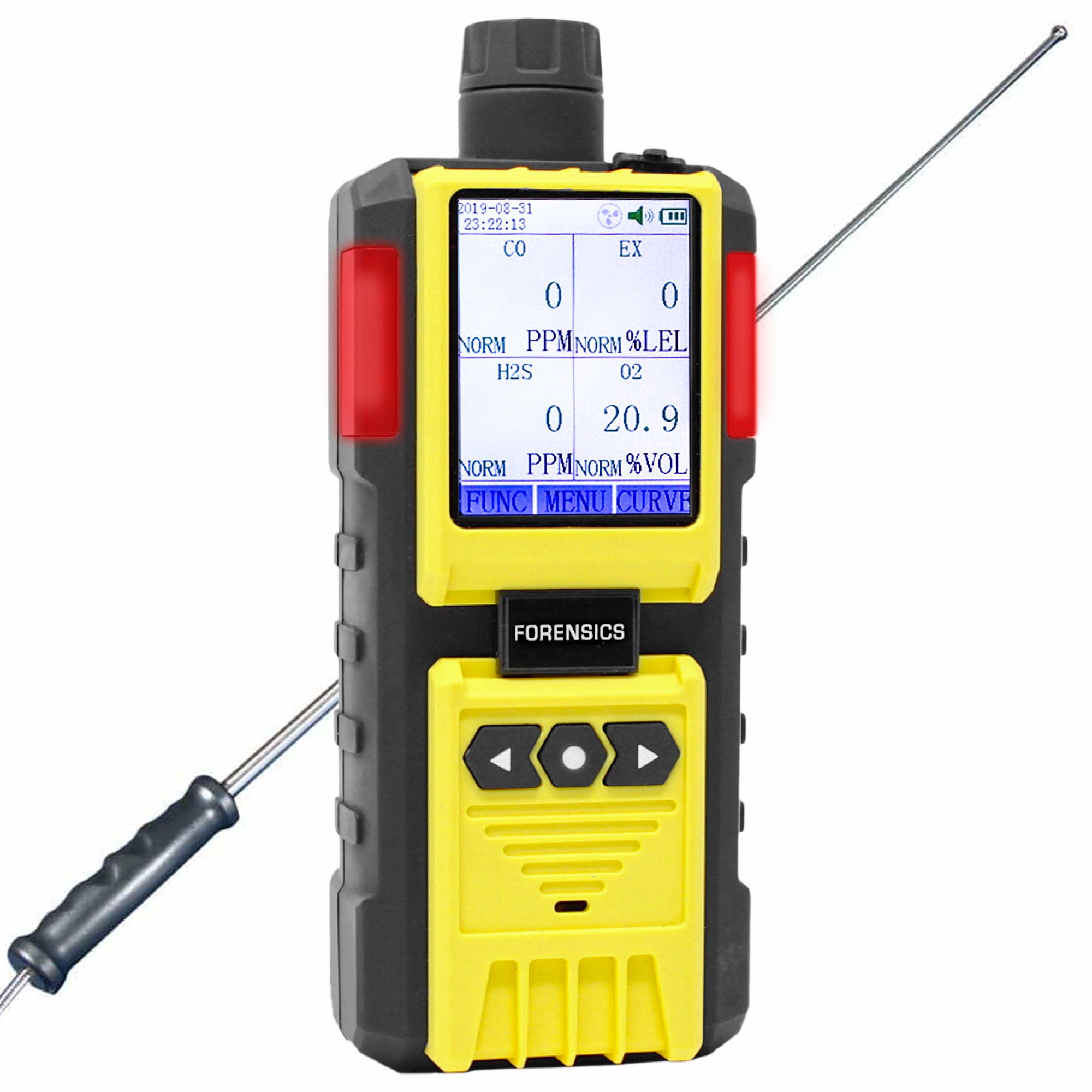
Gas detectors are premeditated to place the front of wild gases in the . They answer as an early on-warning system of rules to alarm personnel department of potency dangers, preventing accidents such as fires, explosions, or health-related incidents. Gas detectors are available in twofold forms, including portable hand-held units, wearable sensors, and nonmoving installations for industrial facilities.
Types of Gas Detectors
Combustible Gas Detectors: Detect combustible gases like methane, propane, and H, reducing the risk of explosions.
Toxic Gas Detectors: Measure touch-and-go gases such as carbon paper monoxide, hydrogen sulphide, and ammonium hydroxid to protect worker wellness.
Oxygen Monitors: Ensure safe atomic number 8 levels in restrained or swallowed spaces, preventing suffocation hazards.
Gas detectors are essential across industries such as oil and gas, mining, chemical substance manufacturing, and twist. Their primary goal is to maintain refuge and provide real-time alerts for unsafe conditions.
Exploring Gas Analyzers
Gas analyzers are instruments that quantify the concentration and penning of gases with high preciseness. Unlike detectors, which in the first place indicate danger, analyzers cater careful insights for process optimisation, testing ground analysis, and environmental monitoring. They help industries make knowledgeable decisions about safety, emissions, and work .
Common Types of Gas Analyzers
Infrared Gas Analyzers: Measure specific gases using infrared radiation dismount soaking up.
Electrochemical Gas Analyzers: Utilize chemical reactions to notice and measure virulent or sensitive gases.
Gas Chromatographs and Mass Spectrometers: Analyze complex gas mixtures for heavy-duty, scientific, and state of affairs applications.
Key Applications and Advantages
Gas detectors and gas analyzers supply numerous benefits in different sectors:
Industrial Safety: Prevent accidents by sleuthing flammable or toxic gases early on.
Environmental Compliance: Monitor emissions to meet regulatory standards and protect the environment.
Process Efficiency: Track gas penning in manufacturing processes to optimize product and tighten waste.
Emergency Response: Provide critical entropy to react apace to wild situations.
Technological Innovations
Modern gas signal detection and psychoanalysis integrate ache engineering, including IoT integrating, receiving set connectivity, and real-time monitoring-boards. These innovations enable remote supervision, predictive maintenance, and data-driven refuge decisions, enhancing both dependableness and work efficiency.
Conclusion
Gas detectors and co2 gfm analyzers are obligatory tools in today s heavy-duty, commercial, and state of affairs safety landscape. By combine early on-warning signal detection with on the button measurement capabilities, these devices protect workers, optimise processes, and ascertain restrictive submission. Investing in sophisticated gas monitoring technology is necessary for businesses seeking a safer, more competent, and environmentally responsible operation.